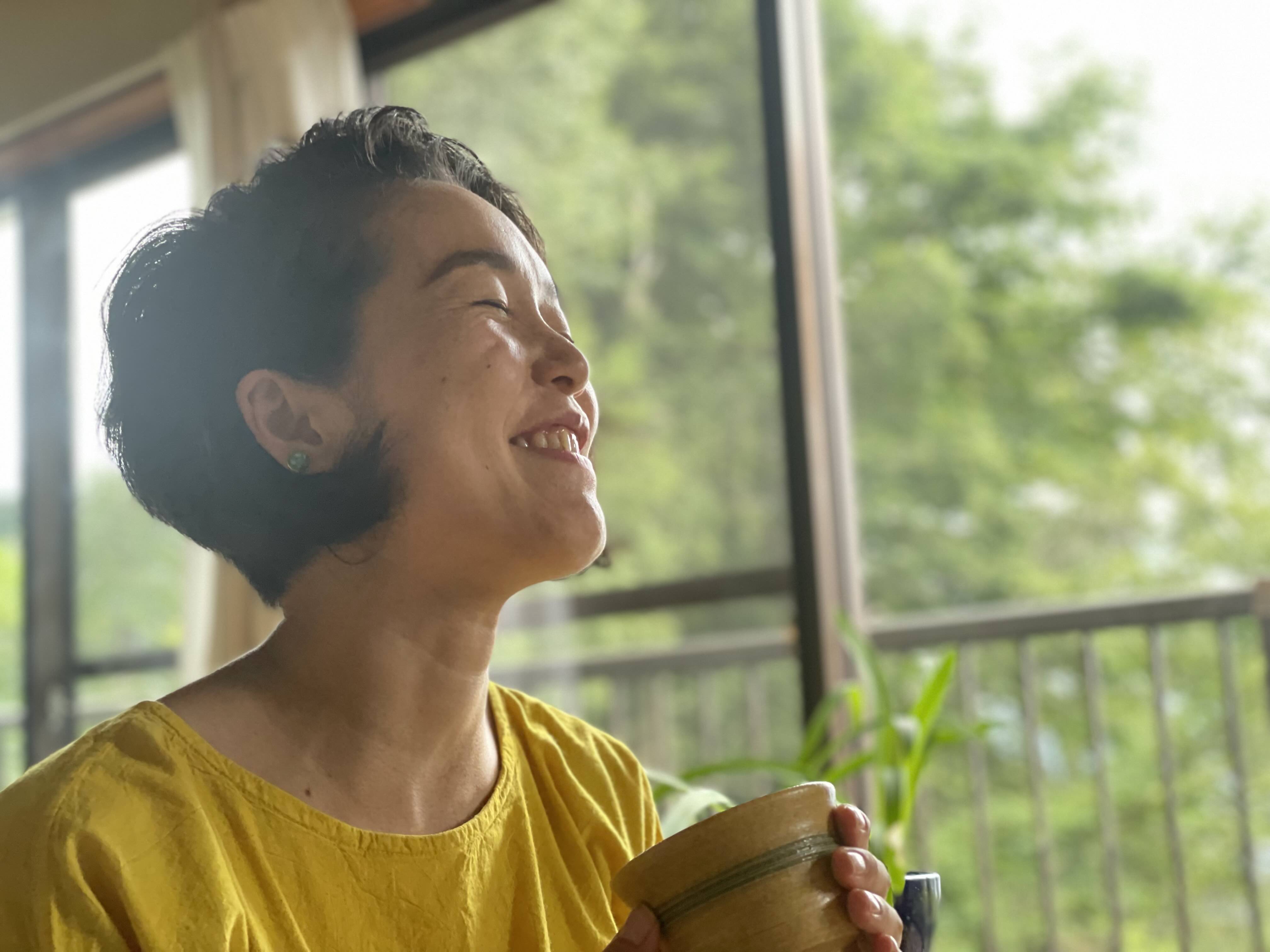
私について
I am …
私について
「シャーットントン」とリズミカルに聞こえてくる母の機織りの音。琴の材料である紫檀や紅木の粉末で赤茶色に染まった父の仕事着。五感に浸み込んでいる両親の生業の記憶を意識しだしたのは、高校を卒業し、イギリスに留学の後、社会に出て働くようになってから。
手仕事の世界で食べていくのは大変と聞かされていたので、両親の仕事を継ぐことは考えたこともありませんでした。ずっと言葉で伝えることに興味があり、広報の仕事に惹かれたり、メディアの仕事に没頭したのち、伝え手として手仕事の世界に携わっていくと、見えてくるのは手仕事を囲む「人」や「暮らし」や「心」。
ものの生まれる背景には無言で共有されている「文化」があり、その中にはたくさんの現代を生きるヒントが詰まっていることを発見しました。知れば知るほど、もっと知りたくなり、そして伝えたくなり、文化の翻訳家となりました。
My Journey
The rhythmic sound of a shuttle going back and forth in my mother’s loom. The permanent reddish brown stain on my father’s trousers from sanding rosewood and mahogany. My childhood memories are very much sensory-steeped in sights, sounds, and scents, and my parents’ livelihood shapes many. It took me a long time to realise their significance.
After graduating from a university in the UK, I found my way into work in translation and communications. Helping people understand one another felt especially fulfilling — particularly when I felt deeply connected to an idea and could convey its essence to a wider audience.
As I became more drawn to the world of craftsmanship, my family heritage, my work gradually found its focus in the fields of culture and craft. Immersed in the world of making, I began to see beyond craft as an object. My attention turned instead to the people, the philosophies, and the ways of life that surround it.
That, to me, is culture —the living system that gives birth to tangible objects.
Within this world, I discovered something invaluable: unarticulated stories and quiet wisdom embedded in everyday life. Wanting to uncover these layers and share what they reveal, I became a cultural translator.
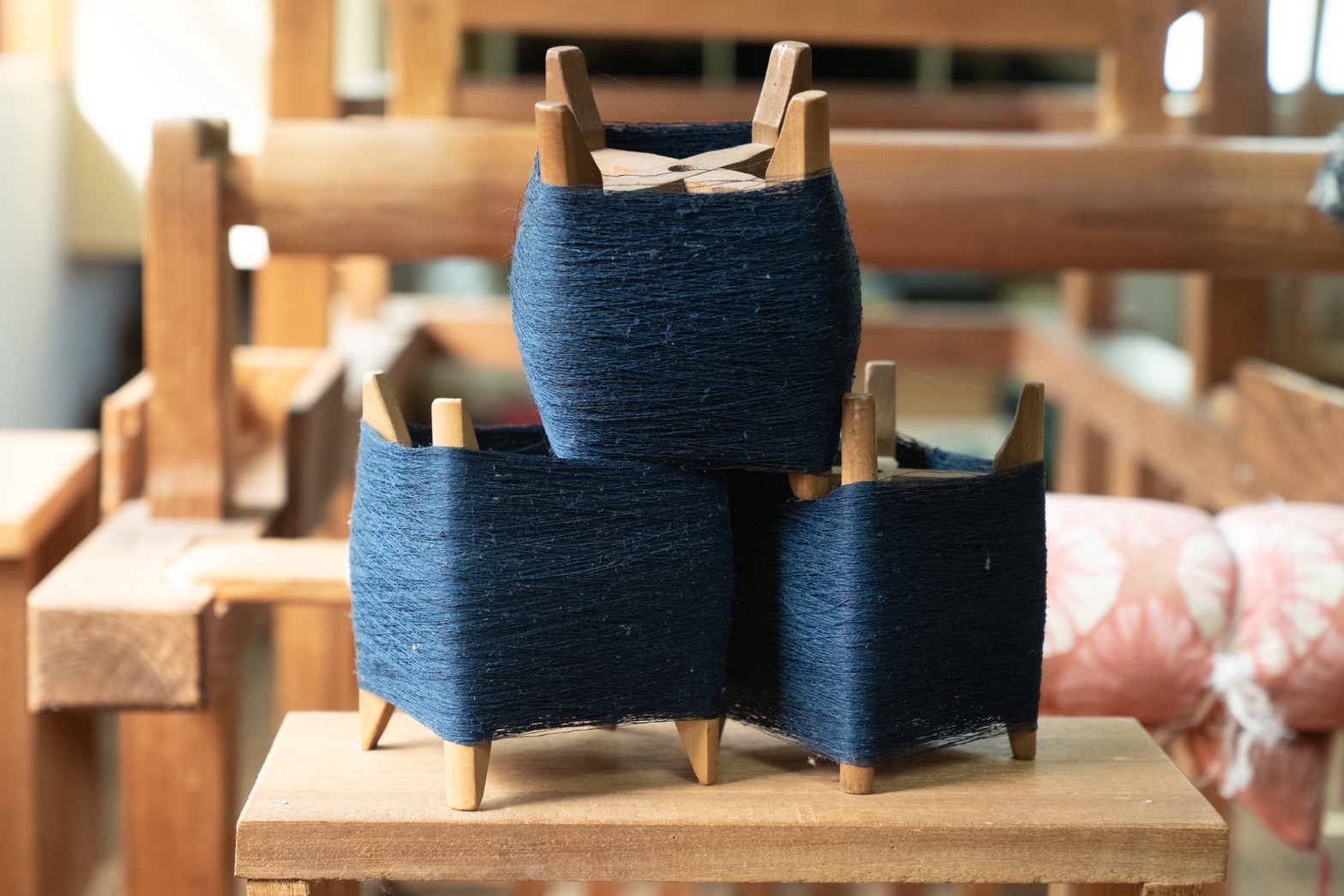
文化の翻訳
長い歴史の中で育まれた文化ほど、何度も繰り返し使われる言葉が独特の意味を持ち始めたり、言外に含む意味の幅が広くなったりします。
当人にとっては「当たり前」であえて言葉にしていなかったこと。その暗黙の了解の中には肝となる考え方が隠されていて、その文化の外に立つ人には「翻訳」が必要となるのです。
例えばある職人が「きれいにしておくように」と弟子に指示した場合…
掃除をしておくこと
次の作業に必要な道具を並べること
刃物をきれいに研いでおくこと
答えはどれなのか?
「きれい」という誰もが知っている言葉に含まれる行動を把握しているのは、何年もその職人の元で修行した弟子だけでしょう。
庭師が、長期的な考え方をするのはなぜか。苗木が大木に育つ未来を思い描き、人の一生を超えた時間軸に生きているから。
手仕事に携わる多くが環境を意識するのはなぜか。仕事道具が自然から生まれることを体感しているから。自然のリズムの中で、手で生み出すことのできる仕事量の限界を熟知しているから。
この言葉になる手前の文化。それを紐解いて、今を生きる指針として明らかにできたら。それは現代に埋もれている希望の種を見つけて、水やりをするような行為であると信じます。
Cultural Translation
The longer a history, the more its language takes on layers of meaning, shaped by repeated use and lived experience. These layered meanings are embedded and shared among those who are within the tradition, hence often unspoken. And this is often where the essence is stored, and cultural translations could serve.
Let’s say, if a woodworker tells his apprentice to prepare, what does that mean?
Laying out tools?
Sharpening blades?
Sweeping the workshop to create a clean space for work?
Only someone who has trained under that master for years will instinctively know.
Similarly, why does a gardener think long term? Because they envision how the trees planted today will grow over generations.
Why are many craftspeople conscious of the environment? Because working with their hands, drawing from nature’s resources, inevitably makes them aware of the limitations of quantity and pace. They come to understand that pushing beyond those limits goes against the natural cycle itself.
These unarticulated philosophies and perspectives are the seeds of wisdom. I seek to find them in contemporary society, watering them so we all can see them blossom.
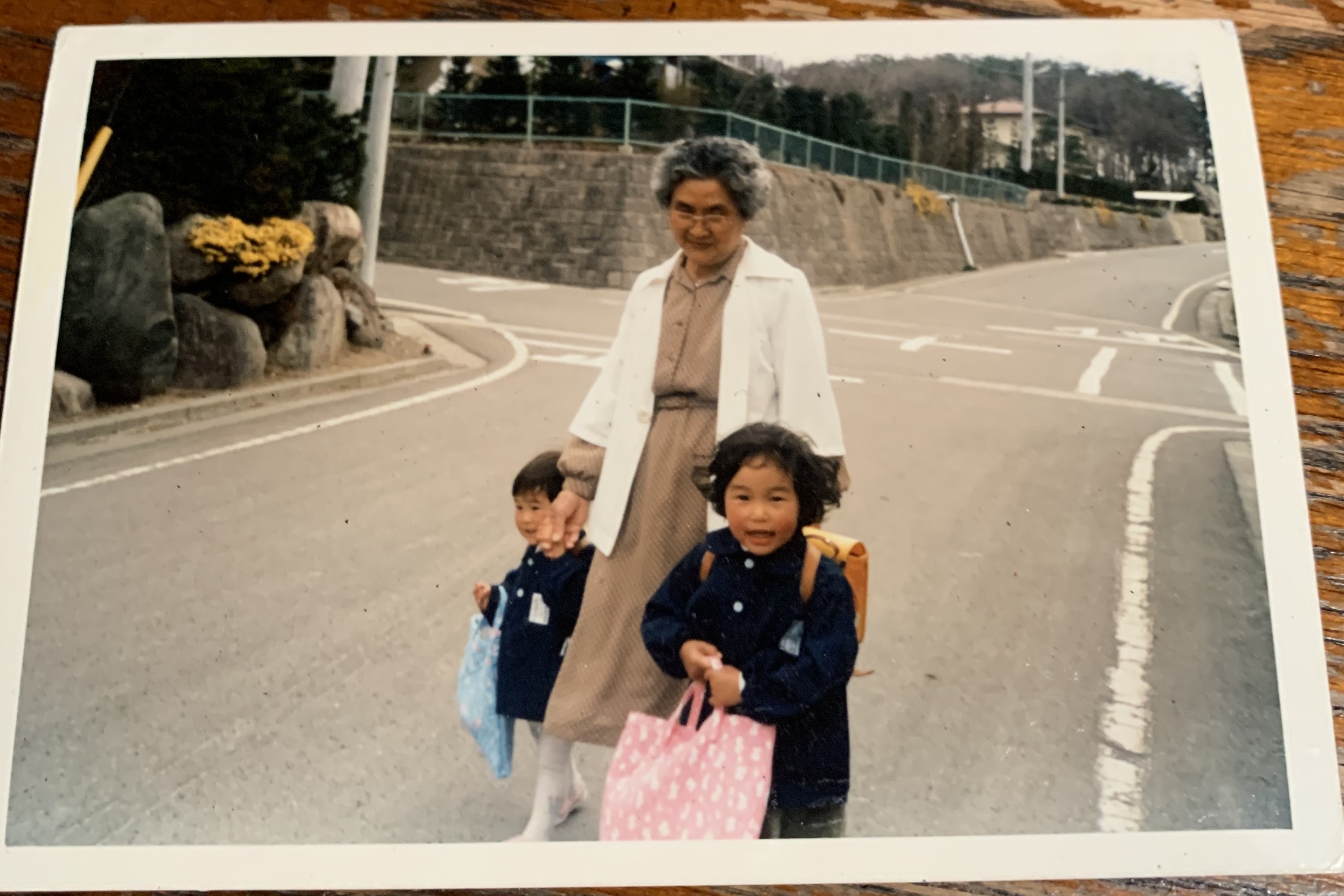
経歴
長野県東御市生まれ。優しい祖母、琴職人の祖父と父、染織家の母に見守られ高校までを信州で育つ。母方の祖父は紬縞織・絣織で重要無形文化財保持者の指定を受けた宗廣力三。
高校卒業後に英国サリー大学にて幼児教育と社会学を学ぶ。卒業後帰国。
メディア(MTV Japan)、粋更kisara(中川政七商店)店長、東京都の文化広報国際専門員などを経て独立。博物館学芸員資格取得。
現在はライター・翻訳家として多数のウェブメディアや書籍に携わる。ものを通して文化を読み解き、つくり手の思想を炙り出す長尺の対談やインタビューを発信する。日本の工芸・文化に特化した調査・工房訪問などのコーディネートも請負う。
Profile
Born in Tomi, Nagano Prefecture. Tomo was raised in a family of craftspeople: her father and grandfather, both koto craftsmen; and her mother and grandfather, kimono weavers. Her grandfather, Rikizō Munehiro, was named a Living National Treasure for tsumugi pongee silk weaving technique.
She studied Early Childhood Studies and Sociology at the University of Surrey in the UK. Upon returning to Japan, she worked in media (MTV Japan), managed a made-in-Japan craft retailer “kisara” (Nakagawa Masashichi Shoten), and served as an international cultural affairs specialist for the Tokyo Metropolitan Government before establishing herself as an independent writer and translator.
Tomo now communicates the richness of Japanese craft and culture through web media and publications. Her work often involves in-depth interviews and dialogues with makers, drawing out their philosophies and exploring the spiritual and cultural essence expressed through their work.
She also offers coordination services for research trips and studio visits, with a particular focus on the fields of traditional craft and cultural heritage.
実績例
Selected Works
【翻訳/Translation】
日本の工芸・文化関連書籍のバイリンガル化をお手伝いします。
Bridging Japanese craft and culture through thoughtful bilingualisation.

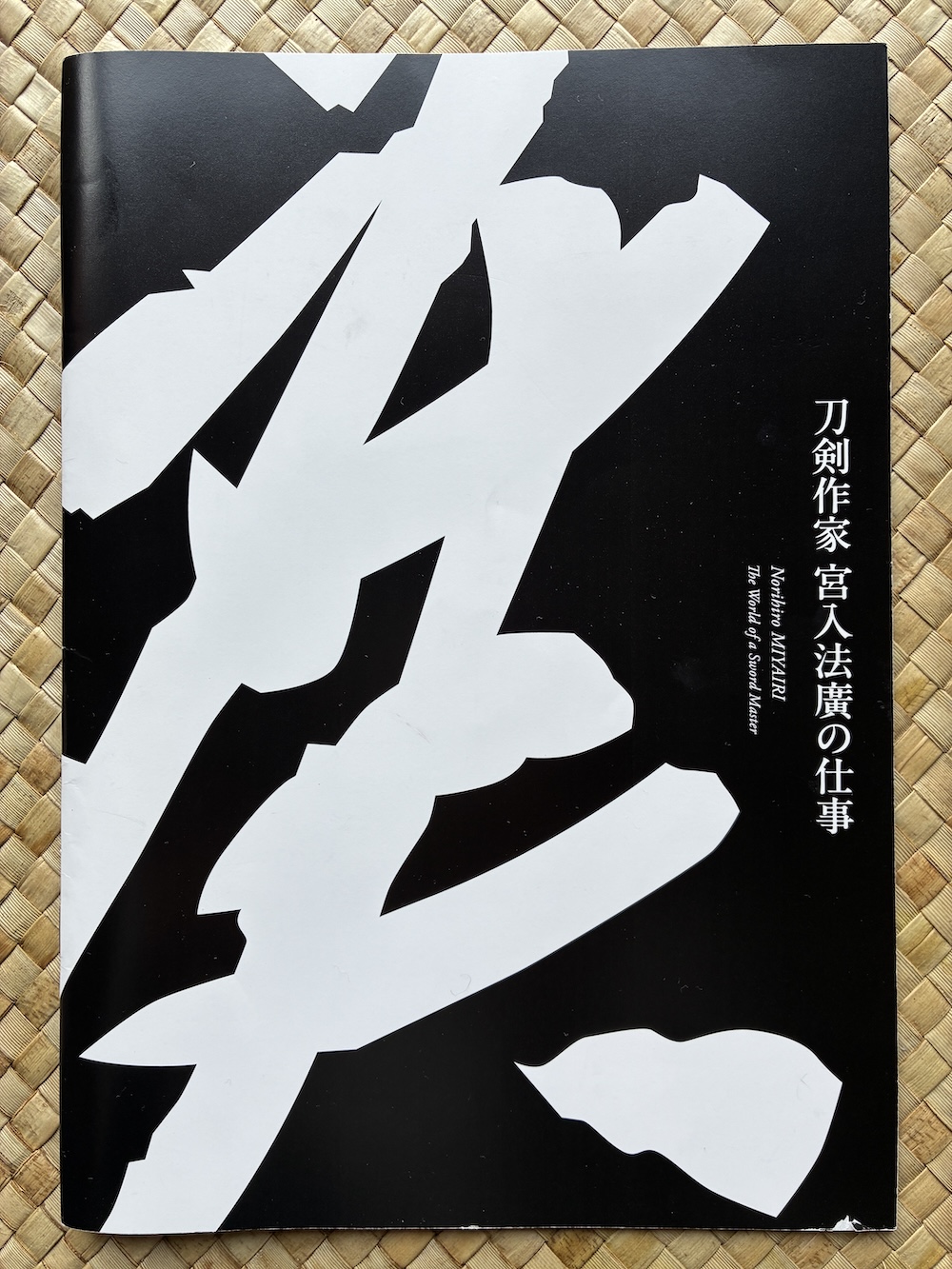
『刀剣作家 宮入法廣の仕事』
The World of Sword Master, Norihiro MIYAIRI
.png)
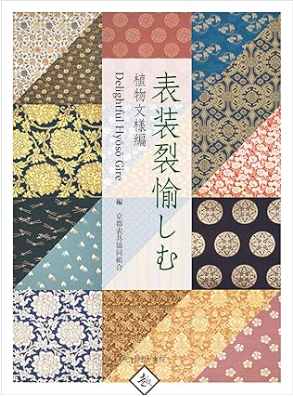
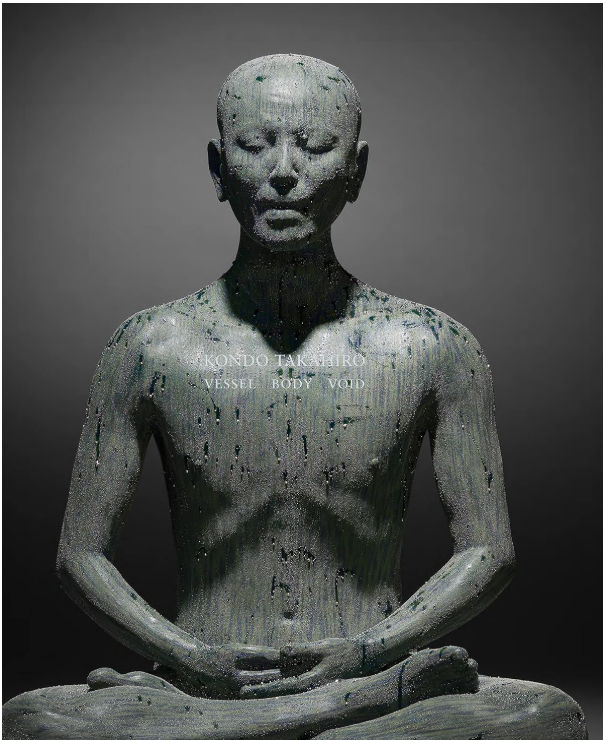
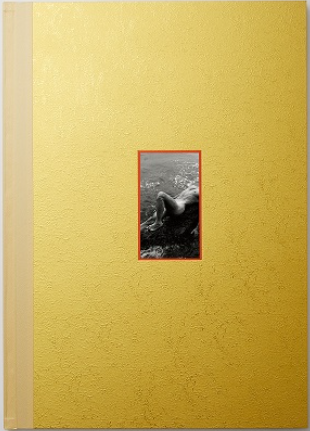
【取材・執筆/Writing & Contribution】
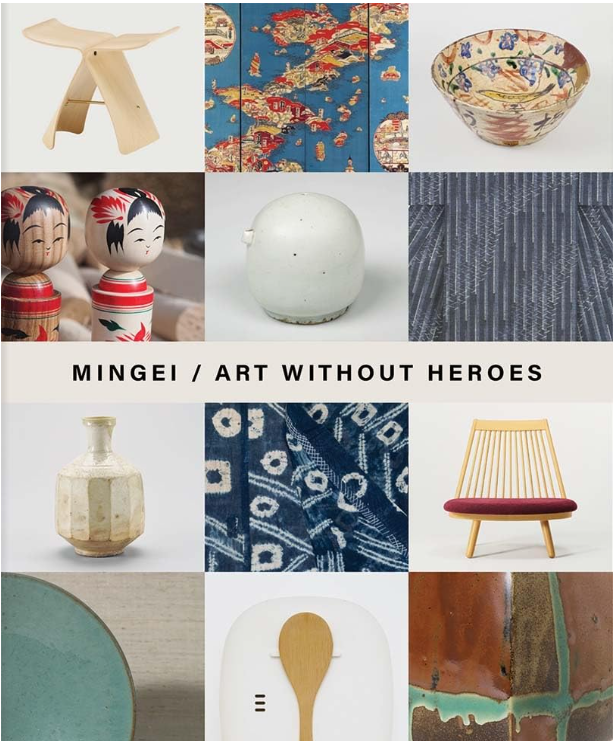
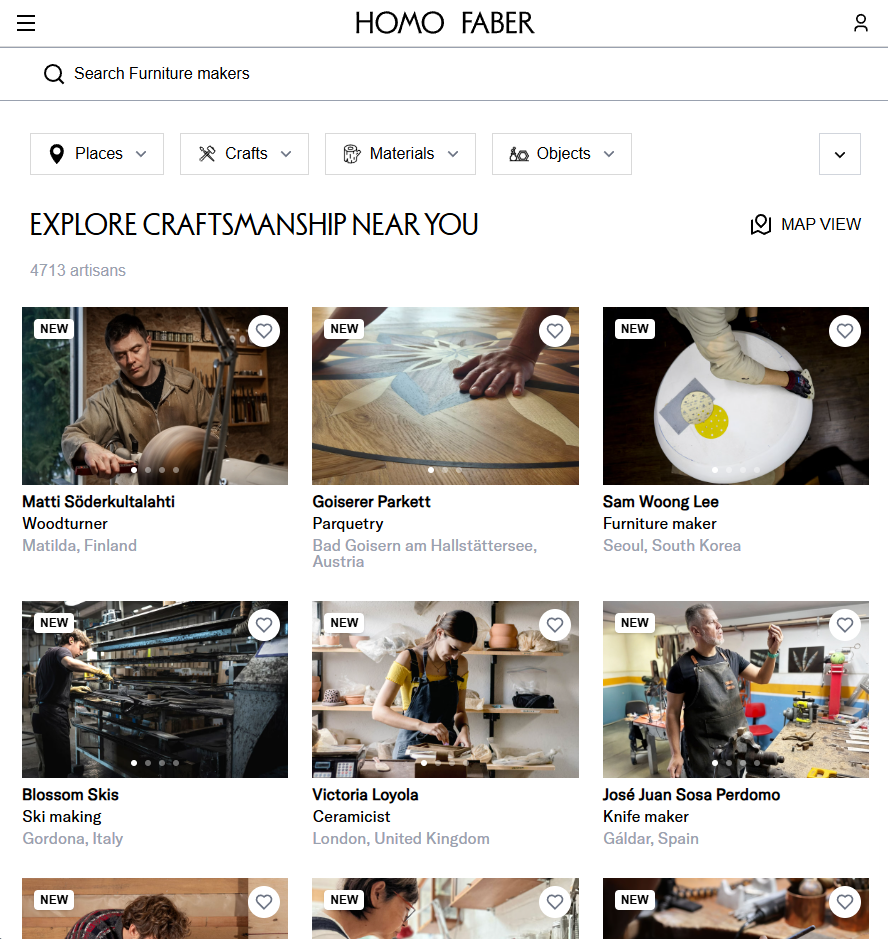
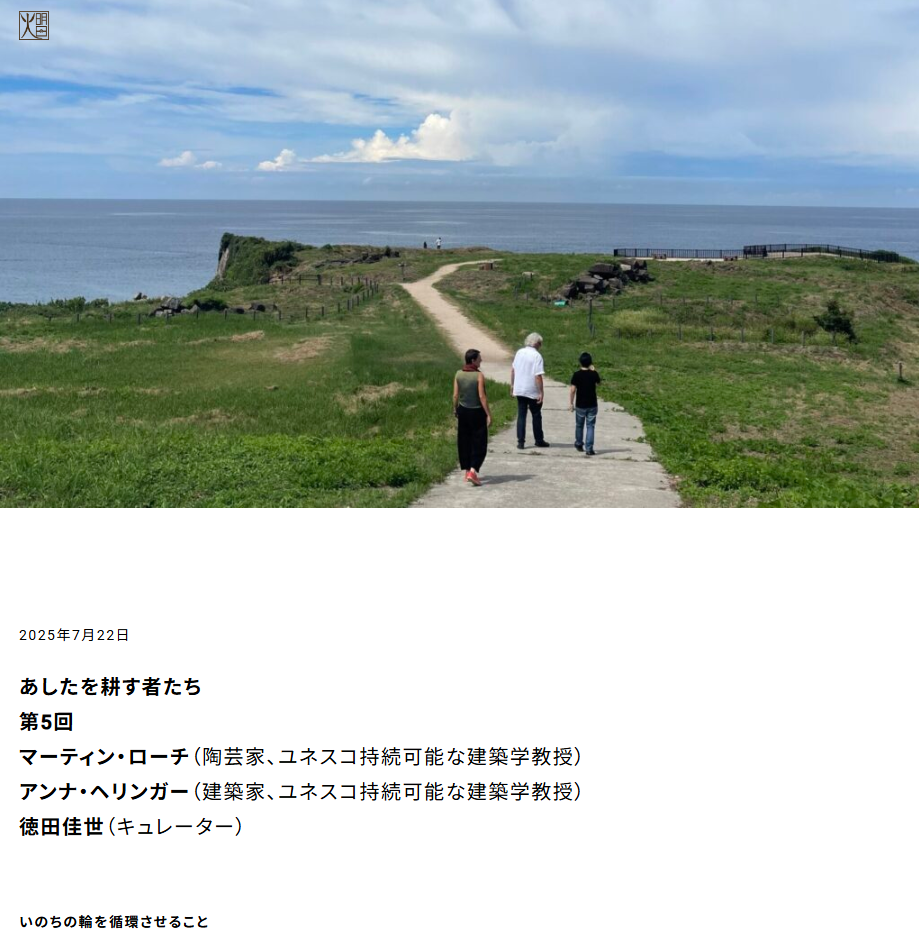
日本の手仕事や民藝に関連したコラムや書籍への寄稿・新聞連載など。
Essays and longform contributions on Japanese craft, Mingei, and cultural heritage.



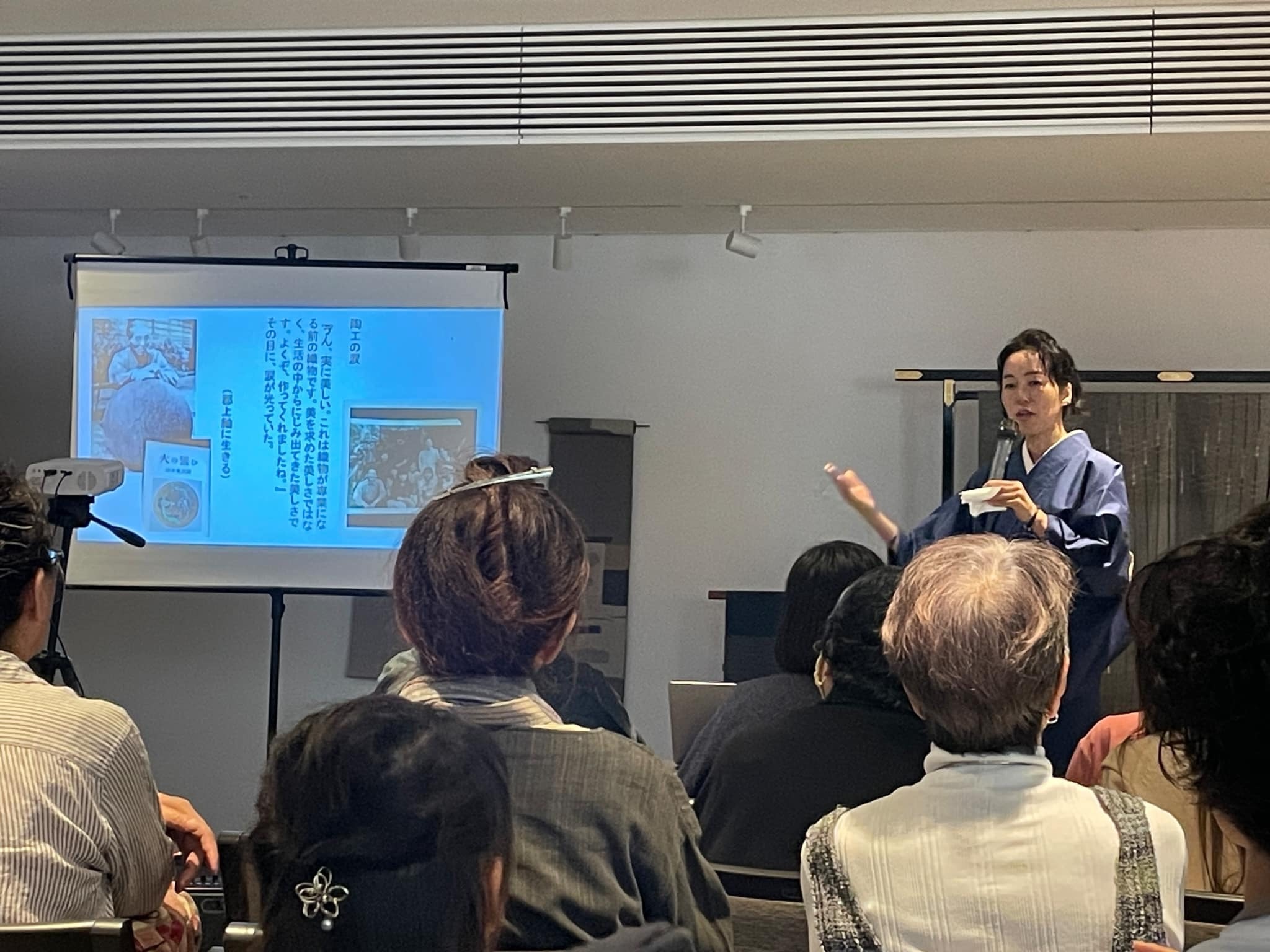
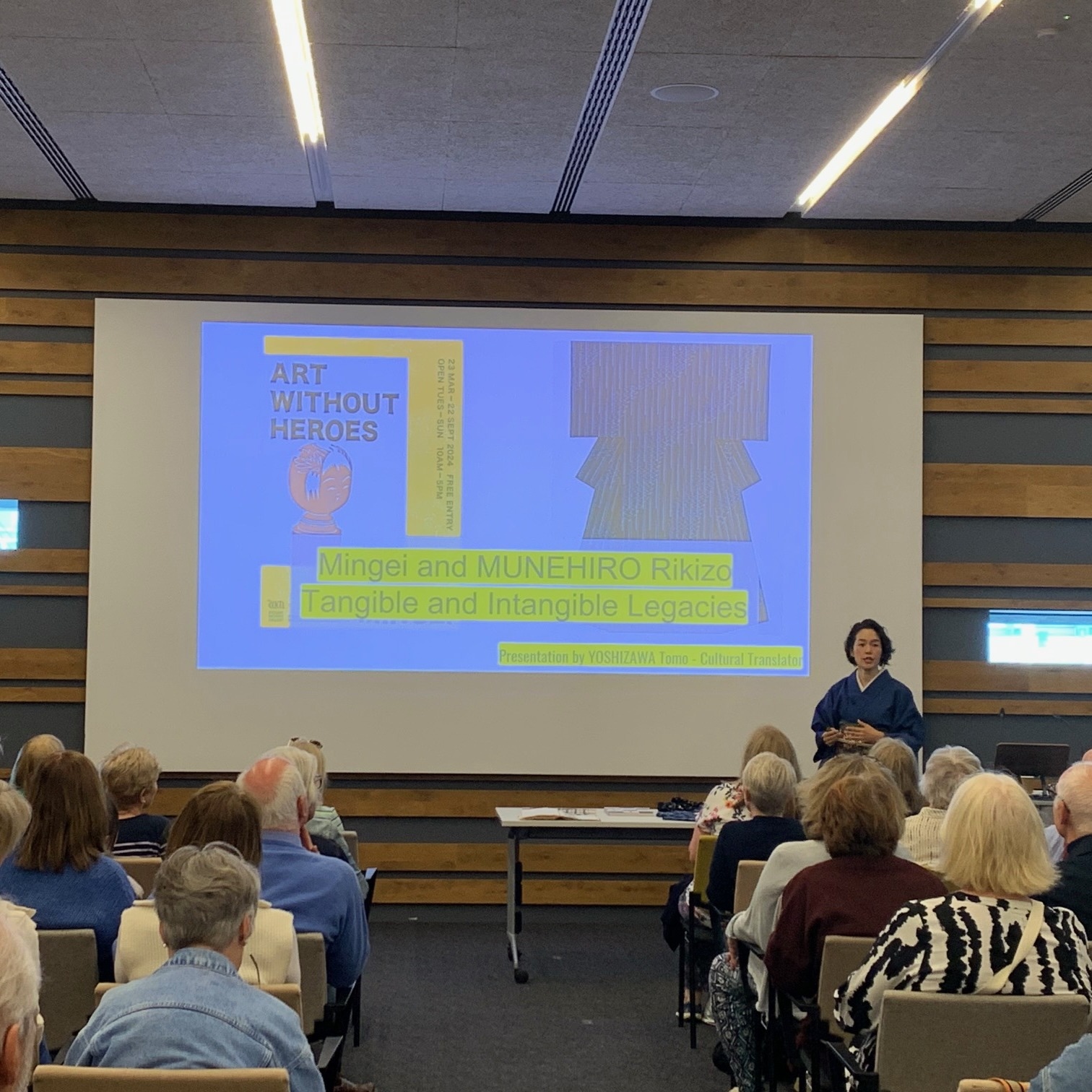
【通訳・トーク/Talks & Dialogues】
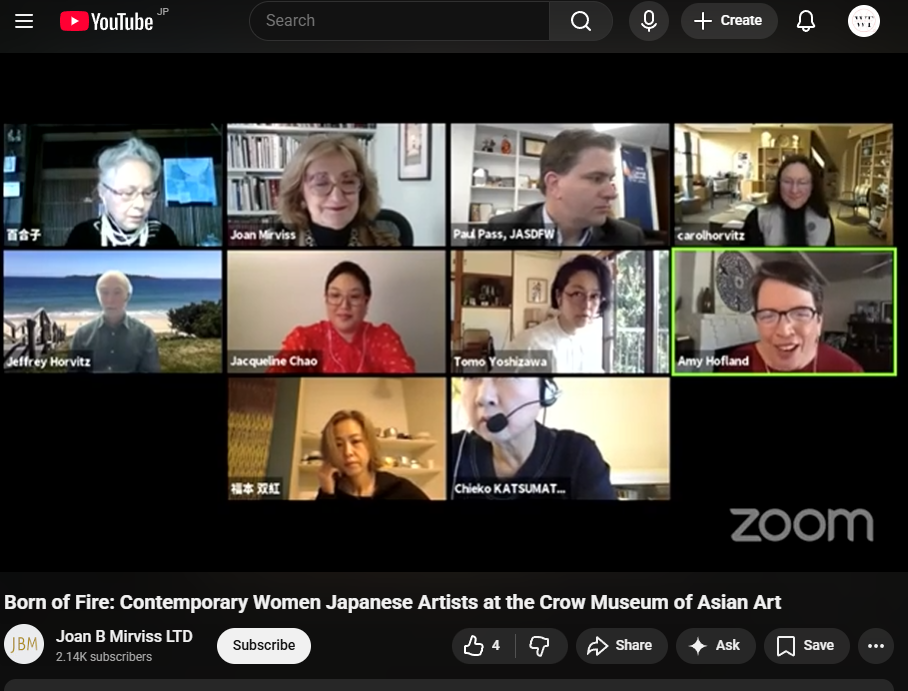
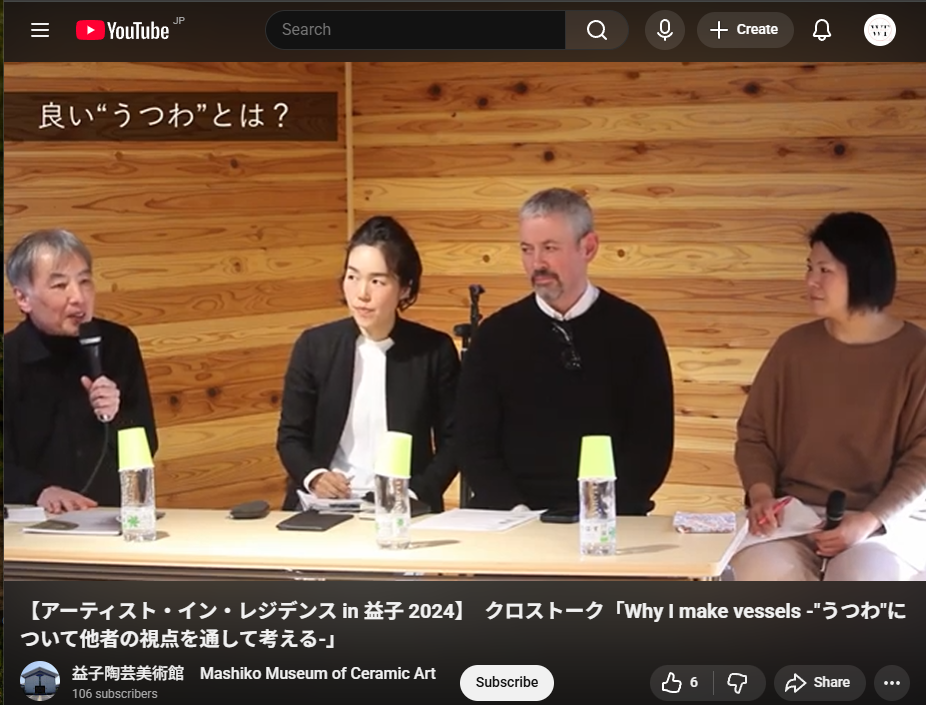
人ともののストーリーを、国内外に伝えます。
Sharing the stories behind people and objects-across cultures and contexts.


【コンサルテーション/Consultation & Cultural Coordination】
より深く日本の文化芸術・工芸に触れたい研究者やビジネスオーナーの方に向けて、
調査サポートやご希望に沿った作家・工房訪問のコーディネート及び同行通訳を承ります。
Curating in-depth studio visits and research trips tailored to researchers, collectors, and business leaders seeking deeper engagement with Japanese craft and cultural heritage.
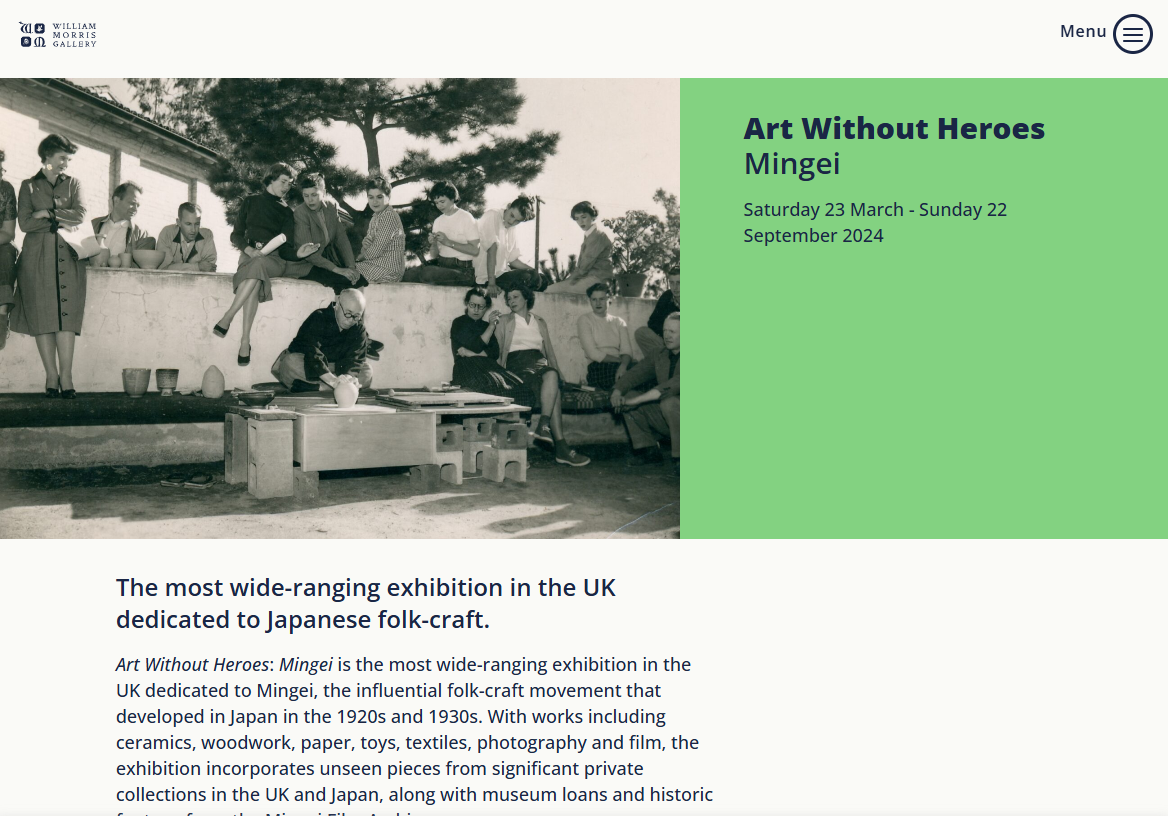
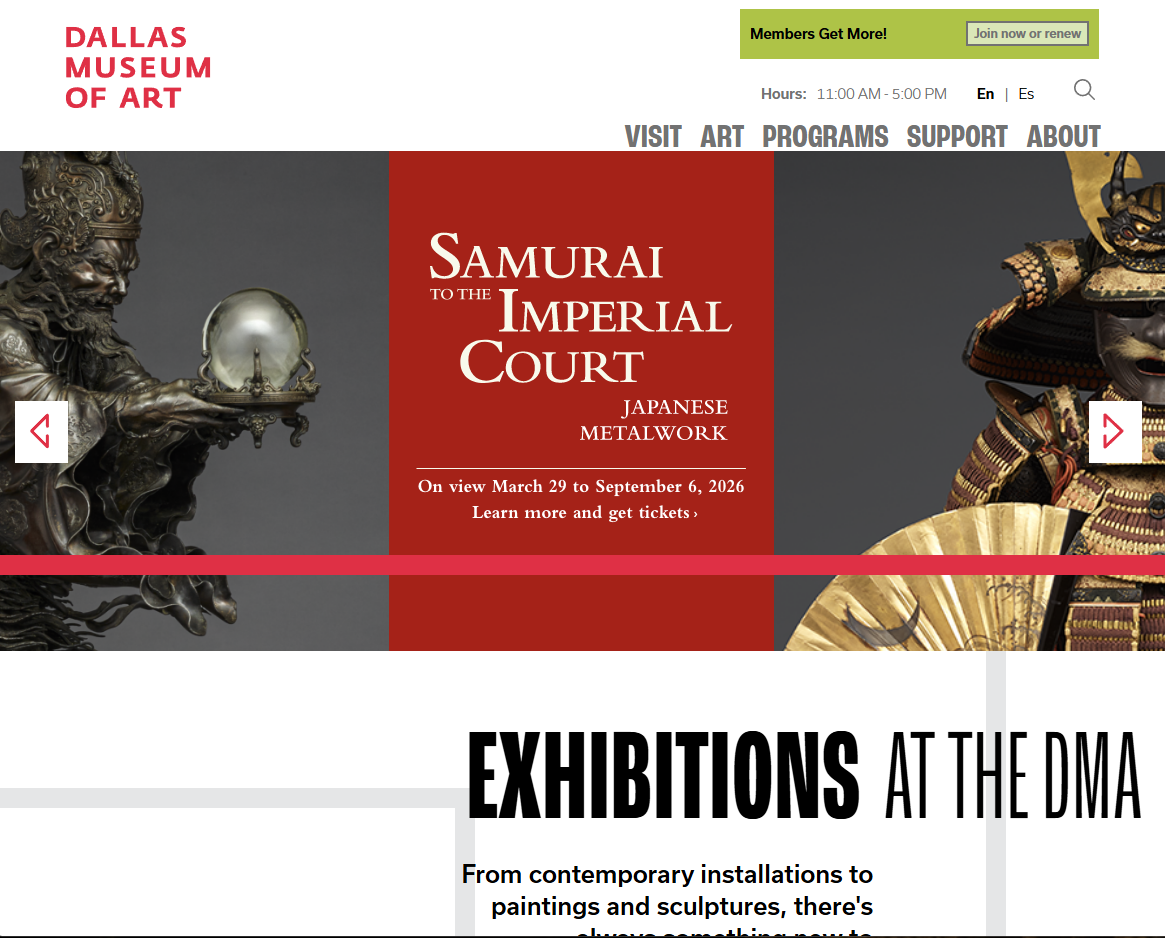
クライアント例:
Selected clients include:
Wisdom Toolkitについて
吉澤 朋がつくり手、使い手、研究者などと会話する中で、あるいは見慣れた日常から見つけた「日本」を文化の視点から紐解き考察するブログと、オンラインショップを備えたプラットホーム。
手を使って仕事をする人の言葉は、身体感覚や実感と深く結びついて、飾らずとも私たちの心の中心にしっかりと届きます。そしてたくさんの時間と手を経て形となったものの内側にも、無言の物語が詰まっています。
人だけでなく、ものにもあるストーリー。それを紐解き、語ることが私たちの日々を明るく照らしてくれるという確信から、始めたプロジェクトです。
Wisdom Toolkit
Wisdom Toolkit is a platform sharing Tomo’s unique perspective on Japanese culture, shaped through conversations with craftspeople, artists, and researchers, and through close observation of everyday life.
Through the work as a cultural translator, Tomo has come to recognise an unspoken layer of stories within objects made by hand and within the lives of those who make them; and that it is in this unarticulated layer that culture is most deeply reflected.
It is her attempt to depict the authentic and unspoken layer of Japan through the ordinary. Tomo gathers the words, stories, and objects that she encounters, sharing them through the Wisdom Blog and through Tangible Wisdom — offering not only insight into Japanese culture, but ways to live with its wisdom today.